model-banner-image-adjust

THE MODEL

Serving the Whole Child

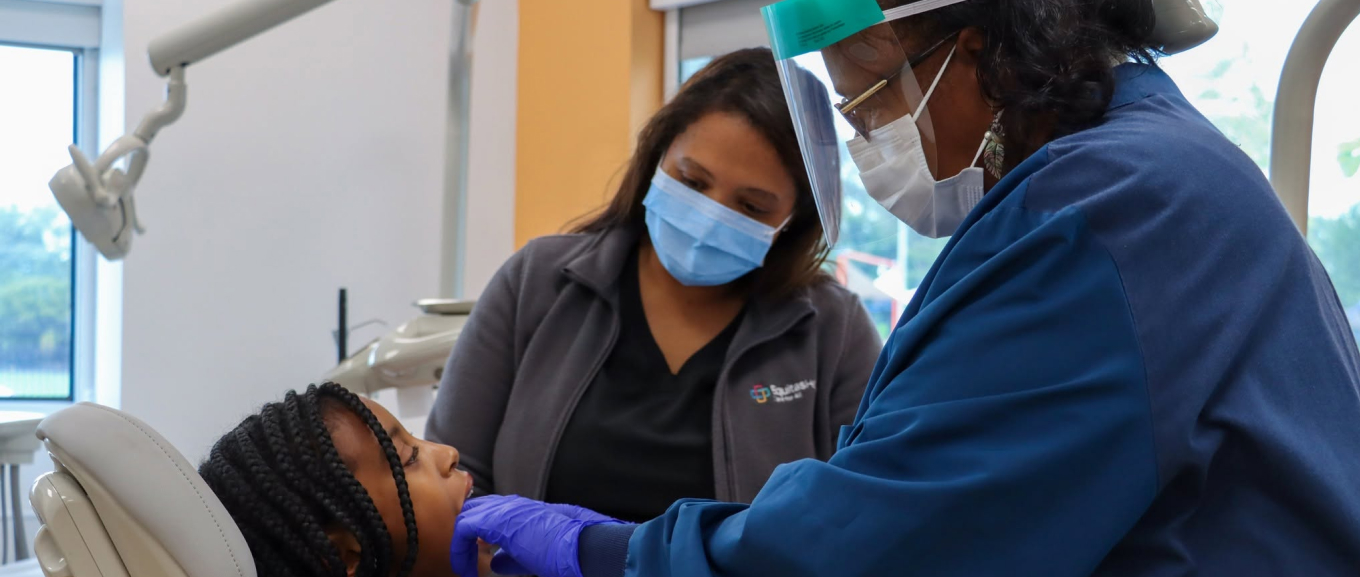
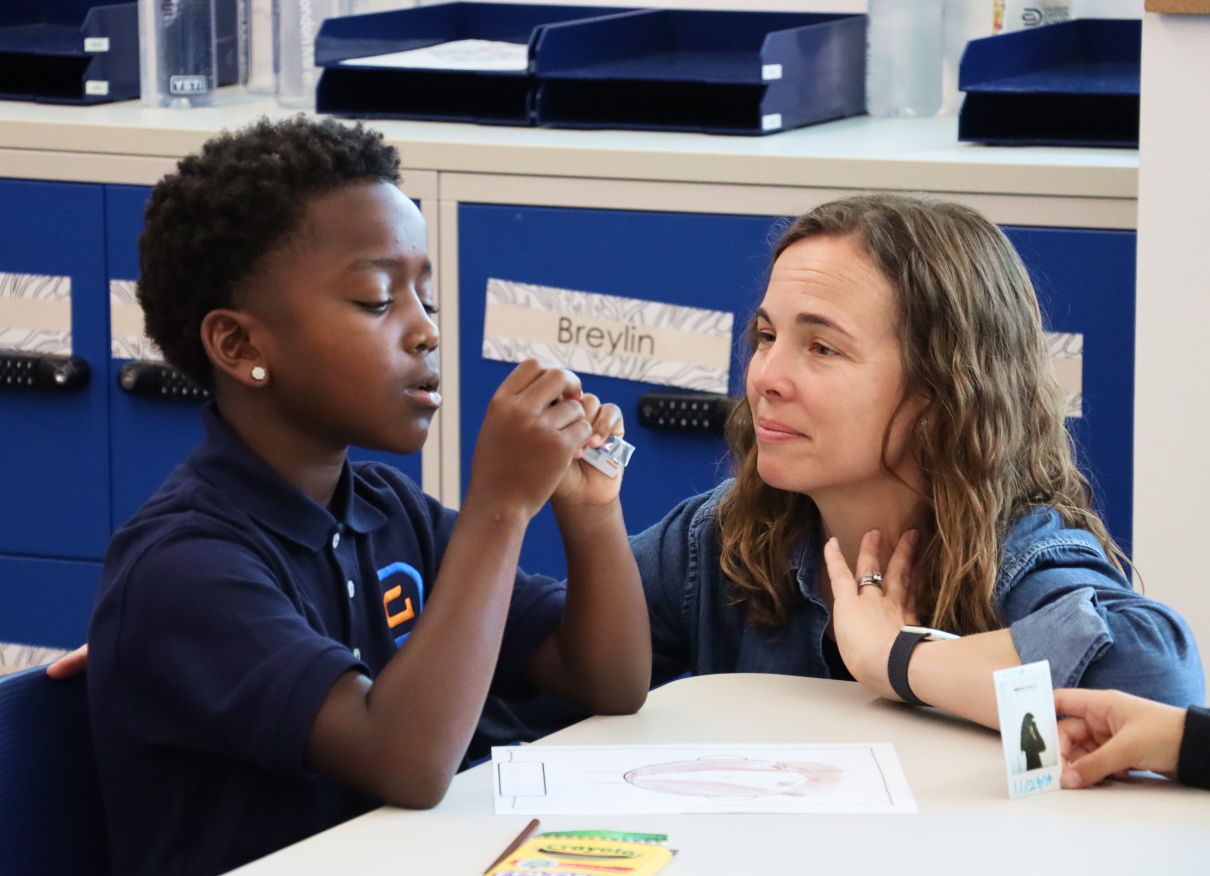
The term “wraparound services” has become ubiquitous in education. It’s the idea that students need more than just academic supports to thrive. One lap around the Connor Wellness Center — the on-site clinic at The Greater Dayton School — shows the true breadth and potential of such an approach. 

On any given day: dental chairs filled with students getting cleanings, an exam room for well-child visits, a therapist’s office, a group therapy session for students with ADHD, a mother waiting with her newborn — a future GDS student — for the infant’s first well-child visit. The center is also home to vision care, occupational therapy, speech pathology, and a nurse navigator who expertly guides families through the entire healthcare process. 

“They provide everything,” one GDS parent said. “The joke in our house is if you’re sick, you need to go to school. Because there’s a doctor there who can take care of you.”

Annual

Well-Child Visit

100

%

GDS

vs

44

%

Low-income peers

Annual

dental care

100

%

GDS

vs

43

%

Low-income peers

Physical health

milemarkers met

66

%

Start of year

right-arrow-dark-blue

97

%

End of year

Path to Age 27

The Greater Schools model was designed to ensure under-resourced students reach their “Age 27 Goals.” But the road to adulthood is long and fraught with potential missteps, especially for the population we serve. That’s why we created a model to mitigate seven key factors putting students at risk.

1

Kindergarten Readiness

Children who attend preschool are 18% more likely to graduate high school. Our preschoolers are 3½ times more likely to be kindergarten-ready than their low-income peers.

Attendance

Chronic absenteeism negatively impacts high school graduation rates. Our attendance rate is 96%. Only 9% of our students are chronically absent, compared to 44% of their peers.

2
3

Third Grade Reading

Students not reading proficiently by third grade are four times less likely to graduate high school. Because of our mastery-based approach and best-in-class teachers, our students are 42% more likely to be proficient in third grade than their peers.

Mental Health

At our school, 58% of students start with unmet mental health needs. Because of our onsite wellness center and innovative approach, today all but 14% have resolved their needs or are actively receiving treatment.

4
5

Nutrition

Elementary students with nutritious diets are 24% less likely to fail literacy assessments. We provide students with three healthy, balanced meals a day — including a take-home dinner for families in need.

Fitness

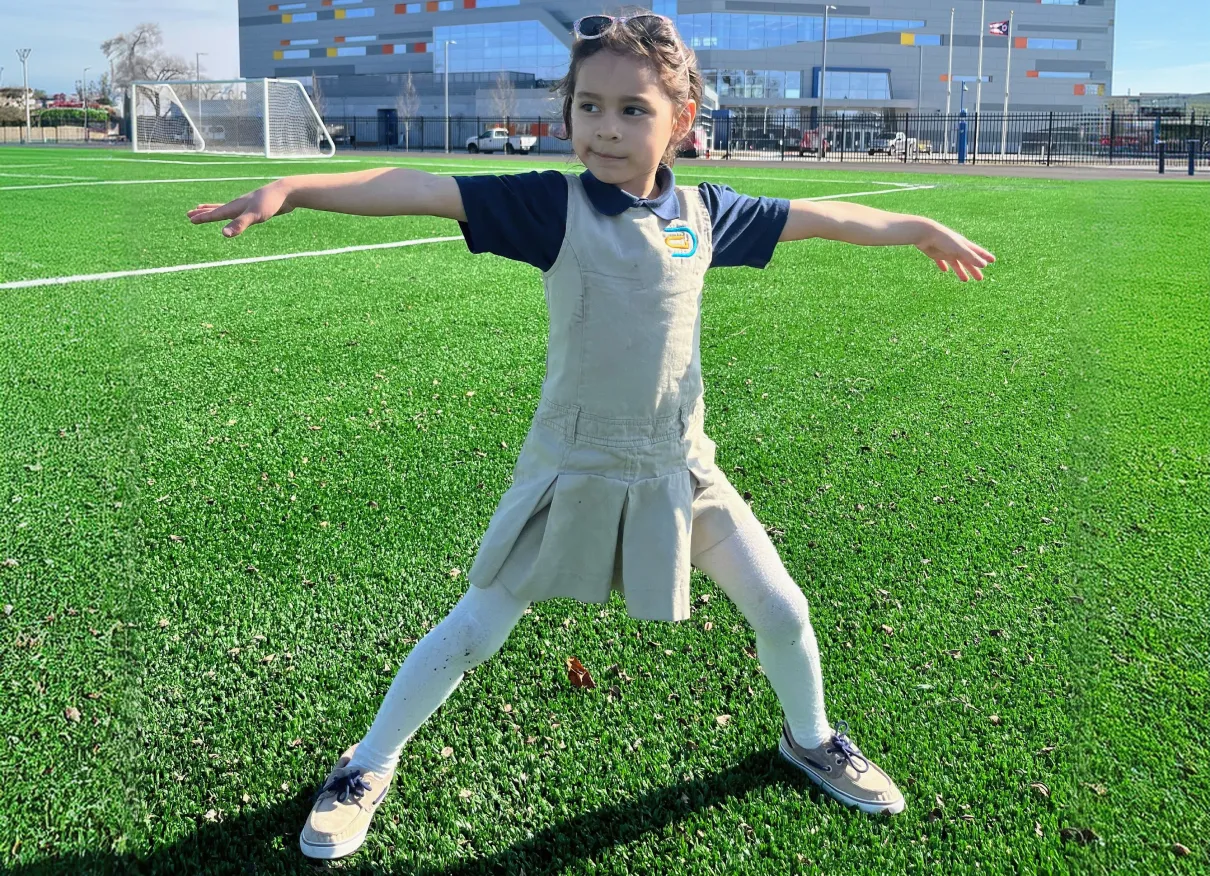
Physically active kids become physically fit adults. Every one of our students receives 30 minutes of fitness every day. As a result, 97% of our students avoid childhood obesity.

6
7

College Access and Success

About 1 in 10 low-income students obtain a bachelor’s. Our alumni services include mentoring programs that are proven to help first-generation students achieve a bachelor’s degree with college graduation rates as high as 78%.

AGE 27 GOALS

1

Physically 
and mentally healthy

2

Living lives of character and integrity

3

Financially independent

4

Established
in a career

5

Successful
 by their own definition

Positioning Alums for Long-Term Success

More Than Just
Academically Ready

During a spring lunch at The Greater Dayton School, sixth-grader Shodiya Bakhtiyorova told her table she’d just signed up for her first college class. Starting in the 2026–27 school year, GDS will be one of the first — and possibly only — schools in Ohio to roll out the state’s College Credit Plus program across its middle school, through a partnership with Sinclair Community College.

“Our kids get one-on-one support and work at the pace they’re capable of working. For many, that means college-level work,” said assistant principal Azaree Whitehead.

The Greater Dayton School will graduate its first class of eighth-graders in June of 2028. Between now and then, school leaders will continue to develop critical programs and partnerships that will serve alumni well into adulthood. That includes:

HIGH SCHOOL

model-listing-point-icon-01
Admissions/enrollment
model-listing-point-icon-02
Mentoring/tutoring
model-listing-point-icon-03
Transition services
model-listing-image-01-adjust

College & career

model-listing-point-icon-08
Campus visits
model-listing-point-icon-11
College savings
model-listing-point-icon-09
College admissions/
enrollment support
model-listing-point-icon-12
Career services
model-listing-point-icon-10
On-campus advising
model-listing-image-04-adjust

Mental & physical health

model-listing-point-icon-04
Pediatric care
model-listing-point-icon-06
Vision care
model-listing-point-icon-05
Dental care
model-listing-point-icon-07
Mental health therapy
model-listing-image-03-adjust

Assessment & Analysis

model-listing-point-icon-13
Health outcomes
model-listing-point-icon-14
Academic outcomes
model-listing-point-icon-15
Long-term financial outcomes

HIGH SCHOOL

model-listing-point-icon-01
Admissions/enrollment
model-listing-point-icon-02
Mentoring/tutoring
model-listing-point-icon-03
Transition services

Mental & physical health

model-listing-point-icon-04
Pediatric care
model-listing-point-icon-06
Vision care
model-listing-point-icon-05
Dental care
model-listing-point-icon-07
Mental health therapy
model-listing-image-01-adjust

College & career

model-listing-point-icon-08
Campus visits
model-listing-point-icon-11
College savings
model-listing-point-icon-09
College admissions/
enrollment support
model-listing-point-icon-12
Career services
model-listing-point-icon-10
On-campus advising
model-listing-image-03-adjust

Assessment & Analysis

model-listing-point-icon-13
Health outcomes
model-listing-point-icon-14
Academic outcomes
model-listing-point-icon-15
Long-term financial outcomes
model-listing-image-04-adjust
history-image

Piloting History-Making AI

The Future of Education

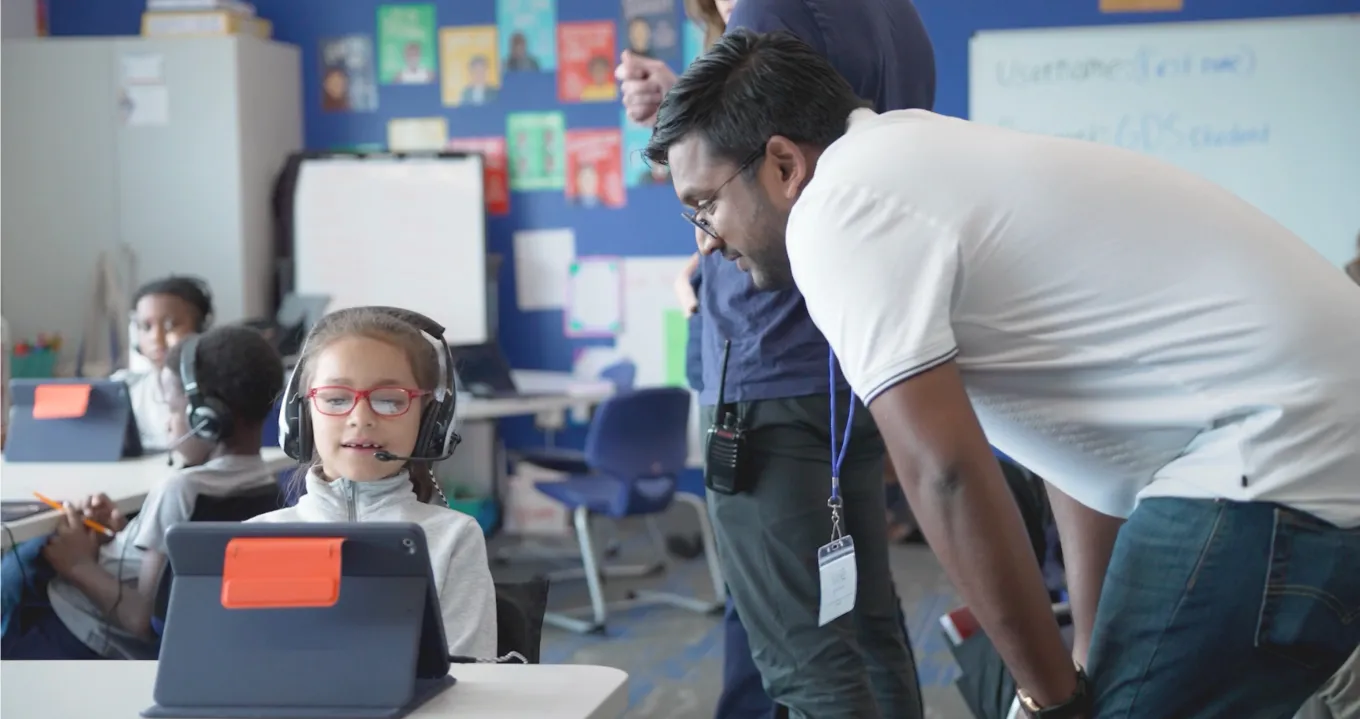
At the start of the 2025–26 school year, Greater Schools and EverTutor launched an AI system that doesn’t just teach kids to use a product — it teaches them, tailoring individualized lessons to each student’s capacity, learning style, and interests. “It’s the first time, as far as I know, in the history of education that AI taught an entire math class,” said AI education pioneer Karttikeya Mangalam.

“It’s the future of education,” said A.J. Stich. “We’re not replacing teachers; we’re giving each student his or her own Albert Einstein tutor.”